BCPlus Topical Gel: Ingredients and Application

Updated: 2 days ago
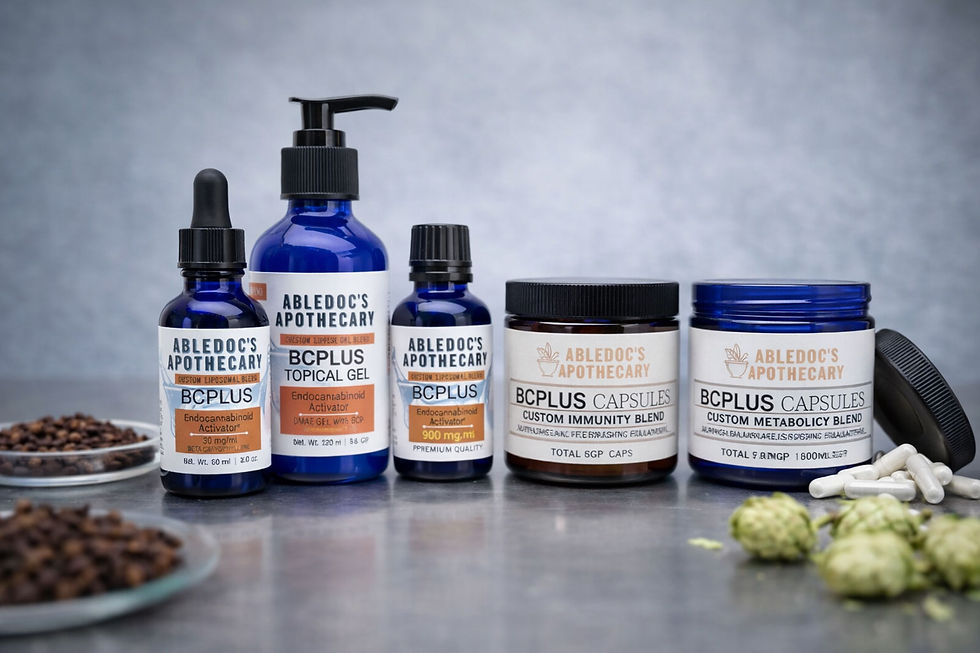
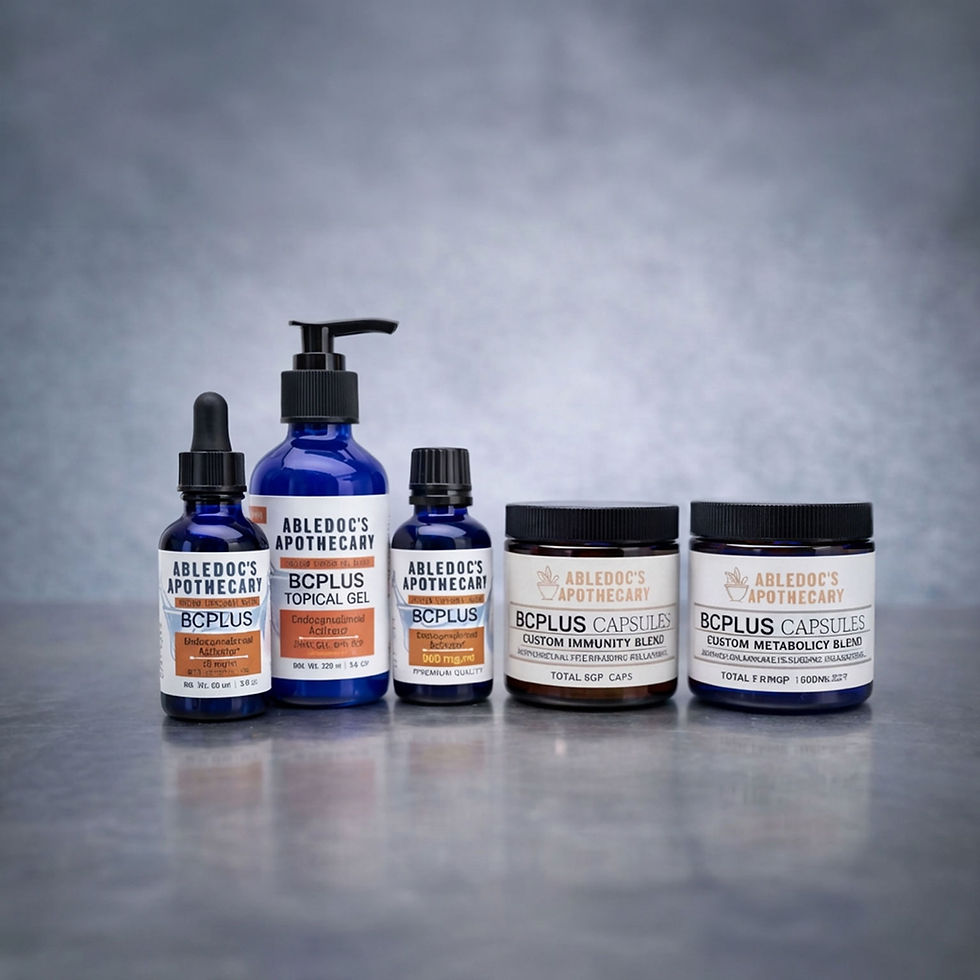
Choosing a topical starts with understanding the formulation. BCPlus Topical Gel brings together clove-derived beta-caryophyllene (BCP), a water-based DMAE gel, and botanical ingredients in a 120 mL bottle.
This guide explains what to look for in the product details and how to explore the wider BCPlus range.
Start with the ingredients
BCP is the featured ingredient in BCPlus Topical Gel. The product page also lists terpineol, humulene, and a blend of essential oils. Read the complete ingredient list when choosing a topical for your routine.

Understand the format
A product’s format helps explain how it is used. BCPlus Topical Gel is intended for external application. Its water-based gel format gives it a different application experience from the BCPlus topical liquid.
For a side-by-side overview of the range, compare BCPlus formulations.
Plan your application
Check the labeled directions before use. The gel has a lemony aroma with botanical notes, and a faint white layer may remain as it dries. Allow time for drying before the area touches clothing or bedding.
Keep the product label available so you can refer to its application instructions whenever needed.

Explore the ingredient background
If you want to understand the terminology behind the formulation, begin with BCP and endocannabinoid system fundamentals. The BMG Resource Hub provides a route into additional educational materials.
View the current product details
The product page brings together the ingredient list, directions, price and ordering information.
Research references
Gertsch et al. (2008): BCP and CB2 receptor activity. Receptor, cell and mouse experiments identified beta-caryophyllene as a selective CB2 agonist and examined its activity in inflammatory signaling.
Koyama et al. (2019): BCP and skin repair in mice. Mouse skin-injury experiments examined topical BCP, cell migration, gene expression and re-epithelialization. The response differed by sex, with enhanced re-epithelialization reported in female mice.


Comments